Why global brands are building their India strategy from Mumbai
Over the past few years, we have seen a familiar pattern. A global brand enters India, tests the waters, runs a few fragmented campaigns and then realises something important. Presence is not enough. What they need is control. Not just execution, but coherence.
We have worked with FMCG majors, technology platforms, lifestyle labels and GCC based brands. Many begin with limited mandates like product PR or event visibility. But as India becomes a priority market, the need for a clear narrative centre grows. Increasingly, that centre is Mumbai.
India is not just a market, it is a media ecosystem
If India is being viewed as one geography, the complexity is already underestimated.
You are navigating multiple layers at once.
More than twenty major languages in mainstream media
National publications alongside hyperlocal newsrooms
English editorial ecosystems and regional influencer cultures
A cultural calendar that directly affects coverage and consumption
Managing this from outside the country does not just slow things down. It weakens the story. That is why global brands are anchoring their India communications locally, often through Mumbai based teams and partners.
Mumbai is where brand, media and momentum intersect
This is not about location alone. It is about proximity to influence.
Mumbai offers access to the largest concentration of business and lifestyle journalists. It brings together creative talent across content, production, events and media strategy. It connects brands to stakeholders across film, fashion, finance and technology.
We have supported global brands that initially managed Asia communications from Singapore, but eventually shifted India strategy to Mumbai. The reason was simple. India demands speed, cultural fluency and on ground decision making.
Control is not centralisation, it is consistency
One global beauty brand we worked with had four parallel campaigns running through different local vendors. Over time, messaging drifted and the global team struggled to maintain alignment.
We consolidated the effort under one narrative framework. Messaging became unified. City specific adaptations were sharper. Monitoring and reporting were centralised. Media and influencer strategies worked together.
The result was not just consistency. The brand felt more local, and at the same time, more premium.
If India matters, build the story from here
You do not need to relocate your global headquarters. But if India is a serious growth market, communications cannot be managed from the sidelines.
You need a partner who understands the media landscape, moves at local pace and can lead the narrative rather than just execute instructions.
Mumbai offers access, agility and alignment.
If that is what you are looking for, the foundation is already here.
About Author
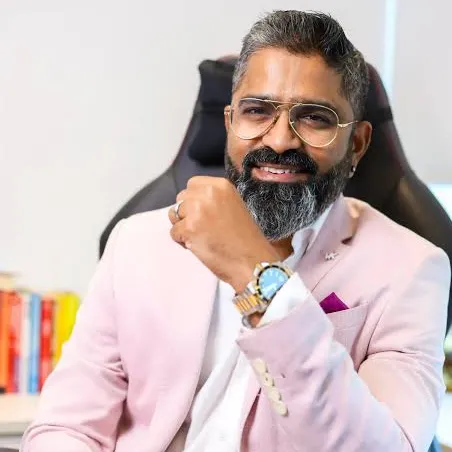
Vikram Kharvi
CEO, Bloomingdale PR
With over 27 years of experience, I specialize in transforming business challenges into opportunities through innovative marketing and PR strategies.

From reactive to proactive: reframing comms in legacy companies
A few quarters ago, we met the communications head of a multi decade manufacturing brand. Their brief was simple. “We only reach out when something needs fixing.” The business had grown steadily, profitably, and with very little media presence. But with global supply...

From drops to depth: why fashion consumers now want meaning, not just merch
Not long ago, hype drops ruled fashion. Limited runs, surprise launches and scarcity drove attention. But the consumer has changed.Today, we are seeing a slowdown in behaviour and a shift in expectations. People still want newness, but they want it with context,...
Founder branding vs company branding: where to start
It is a question we hear constantly. Should I build my personal brand or focus only on the company? The reality is simpler. You are already building both. The only question is whether you are doing it intentionally. In early-stage and mid-growth companies, founder and...