Reputation management for modern brands: quiet work, long impact
Reputation is a strange thing. You rarely notice it when it is intact. You only feel its weight when something cracks. And at that point, you are not fixing communication. You are fixing consequences.
We have worked with brands that had immaculate social feeds and glowing media coverage. Yet the moment pressure hit, a compliance notice, a critical tweet, an unhappy former employee, they realised none of that had prepared them for a real reputational test.
Reputation management is not a campaign.
It is a culture.
Built quietly, maintained consistently, and tested without warning.
It is not about damage control, it is about narrative control
When we begin reputation work with founders or communications heads, the first question is simple. Does your story hold up under scrutiny?
Not just from journalists, but from employees, regulators, partners, and the public.
A healthcare client had never faced negative press. But an opaque internal review process and a leaked policy created a seventy two hour scare. Because protocols were already in place, the issue never escalated beyond early noise. The real impact was internal. Leadership realised their values were not visible enough inside the organisation.
That is what strong reputation management does.
It prevents problems instead of reacting to them.
Google is your first impression
It does not matter what your pitch deck says if the first search result about your brand is an outdated Reddit thread or a partially informed article.
Online reputation is not just about search optimisation. It is about showing up with credibility.
We sometimes help correct outdated narratives. More often, we help brands shape what appears before it becomes an issue, through consistent content, thoughtful media presence, and proactive issue mapping.
You do not need to dominate search results.
You need to appear where it matters, with messages that stand up to scrutiny.
Reputation is everyone’s job, not just communications
Many reputation issues begin far from the comms team. A careless LinkedIn post by a senior leader. An unclear refund policy. A delayed internal memo.
That is why our approach is cross functional. We work with HR on employer branding, with legal on policy language, with product teams on transparency and disclosures.
When something breaks, no one separates departments. They judge the company as a whole.
The best reputation work happens when things are calm
If your only preparation is a crisis manual written years ago, that is not reputation management. That is hope.
Brands that protect their perception over time invest in quiet, ongoing work. Listening closely. Reviewing narratives regularly. Mapping stakeholders. Maintaining message discipline.
If your leadership team believes in playing the long game, that is where reputation management truly earns its value.
About Author
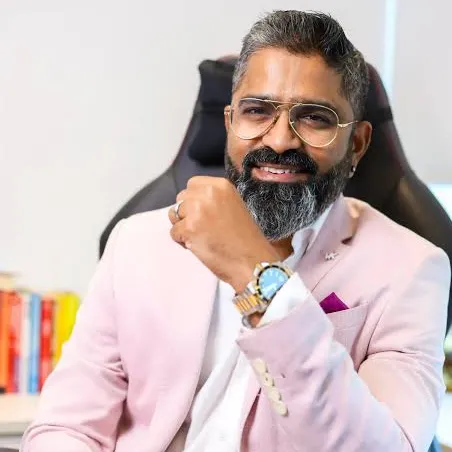
Vikram Kharvi
CEO, Bloomingdale PR
With over 27 years of experience, I specialize in transforming business challenges into opportunities through innovative marketing and PR strategies.

Why global brands are building their India strategy from Mumbai
Over the past few years, we have seen a familiar pattern. A global brand enters India, tests the waters, runs a few fragmented campaigns and then realises something important. Presence is not enough. What they need is control. Not just execution, but coherence. We...

Thought leadership in PR: why founders and CXOs should speak up
When a founder hesitates to be the face of their brand, we always ask one question.If you don’t shape the narrative, who will? There is a reason certain names in the Indian startup and corporate ecosystem stay top of mind, even between launches or funding cycles. They...

The new employer brand: where culture meets communication
A few hiring cycles ago, a startup founder told us, “We have a great culture, but nobody outside knows it.” Glassdoor reviews were decent. LinkedIn activity was consistent. Yet when it came to perception, the brand was invisible. This is where most employer brands...